

Why AI Literacy Matters for Enterprise Architects
AI is no longer a distant innovation—it’s rapidly becoming a foundational capability across enterprise systems. From intelligent automation and predictive analytics to customer personalization and decision support, AI is reshaping how modern organizations design and deliver value. For enterprise architects, this shift isn’t just a technical curiosity; it’s a strategic imperative.
As architects, we’re responsible for designing ecosystems that are not only scalable and secure, but also intelligent, ethical, and adaptable. That means understanding how AI systems function, how they fail, and how they interact with business objectives, data flows, and governance frameworks. We must bridge the gap between AI experimentation and enterprise-grade deployment, ensuring AI fits cleanly into our architecture models and roadmaps.
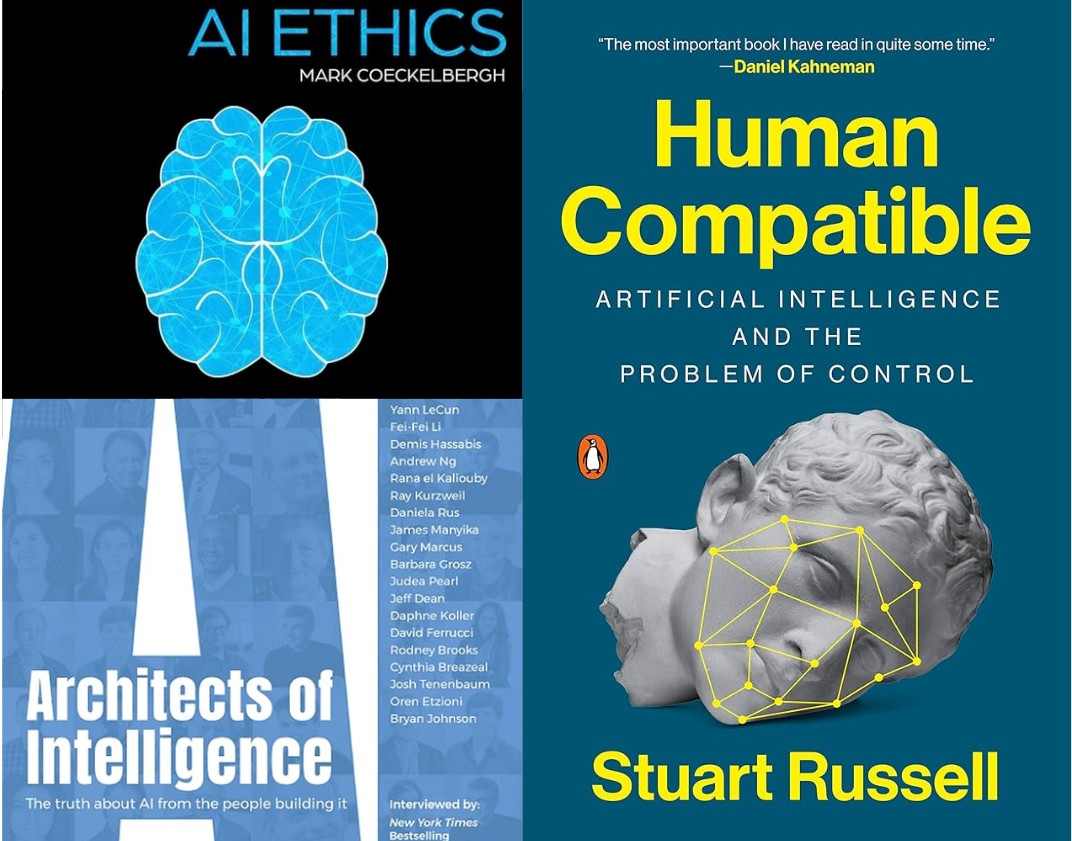
The three books in this selection were chosen to give a well-rounded, high-impact introduction to AI from an enterprise architecture lens. Together, they offer insight into the theoretical foundations, ethical challenges, and strategic implications of AI systems. Whether you’re evaluating AI capabilities for a new platform or helping shape your organization’s AI governance approach, these books will inform your thinking and strengthen your decisions.
BOOKS OF THE MONTH
AI Ethics by Mark Coeckelbergh (2020)
We often talk about “ethical design,” but this book helps to actually understand what that means in practical terms. Coeckelbergh’s take on AI ethics is both grounded and provocative—it’s not just about compliance checklists or avoiding bias, but about recognizing our responsibility in shaping systems that influence people’s lives.
What stands out is the discussions around algorithmic transparency and the moral implications of decision automation. These aren’t just academic debates—they translate directly into questions about system traceability, audit layers, and user trust. It’s a must for any enterprise architect involved in AI governance or solution design.
What EAs should remember
1.Policy Alignment – Around the world, AI policies should focus on the same core values: transparency, accountability, and putting people first.
2.Ethics by Design – Ethics should be built into systems from the start, not added later—this fits well with architecture principles and design frameworks.
3.From Principles to Practice – High-level ethics only matter if they’re turned into practical design patterns for traceability, auditability, and explainability.
Human Compatible: AI and the Problem of Control by Stuart Russell (2019)
Russell lays out the core dilemma of AI: how do we ensure that increasingly autonomous systems remain aligned with human values and enterprise goals? While it’s theoretical in parts, we found the framing around “provably beneficial AI” extremely relevant. It pushes to rethink how we define objectives in our systems—not just from a functionality standpoint, but from a safety and adaptability perspective.
For any architect shaping AI governance, this is essential reading. It helps you see beyond the next implementation sprint and start asking the right structural questions: how do we design for control, fallback, and intent-alignment at scale? We walked away with a clearer blueprint for building more resilient, human-centered AI platforms.
Architectural Implications
1.Unclear Objectives – Keep high-level values and operational goals separate. Let the system ask humans for input when it’s unsure.
2.Kill Switch Matters – If users don’t trust the system, they won’t use it. Built-in safety isn’t optional—it’s essential for adoption.
3.Human–AI Balance – Relying too much on automation weakens human capability. Keep people actively involved, not just watching or sidelined.
Architects of Intelligence: The Truth About AI from the People Building It by Martin Ford (2021)
This one’s more conversational, but we found it refreshingly insightful. Martin Ford brings together top AI thinkers—people from DeepMind, OpenAI, Microsoft, Google—and lets them talk candidly about where AI is heading. As enterprise architects, we appreciated the range of perspectives, especially around what’s realistically achievable versus what’s still hype.
The value here is strategic. We came away with a much clearer picture of the industry’s direction, emerging infrastructure patterns, and where the real risks lie—from vendor lock-in to data fragmentation. If you’re trying to design long-term enterprise AI capabilities or future-proof your architecture roadmap, this book helps frame the right questions. It won’t give you blueprints, but it’ll sharpen your vision.
EA Concern → Insight from the Book → Design Cue
Strategic Planning Predictions for AGI range from as early as 2029 to as far as 2200. Design roadmaps with flexibility so your architecture can adapt as the tech evolves.
Governance & Risk Stuart Russell emphasizes that AI systems must be built with control in mind—just like bridges are built not to collapse. Make safety features like shutdown and override capabilities part of your non-functional requirements.
Workforce & Capability Interviews with leaders like James Manyika show that AI will disrupt jobs and skills. Align your AI rollout with workforce planning—reskilling, talent strategy, and role redesign should be part of your architecture.
These three books together offer a balanced and thoughtful look at AI—from ethics and safety to strategic adoption. What we as EA Fellows appreciated most is how each one contributes to the architecture lens:
Russell helps us design for safe autonomy.
Coeckelbergh urges us to embed values and accountability.
Ford gives a candid pulse on the state of play in the field.
For enterprise architects serious about responsible, scalable AI, this trio belongs on your shelf.
The books are available for purchase on Amazon and other bookstores.
If you want to check our previous Book of the Month selection, you can find it here:
Book of the Month – How to Make Sense of Any Mess by Abby Covert